Serial Killers: Why That Pile of Old Cables in Your Closet Might Be Your Most Valuable Tech
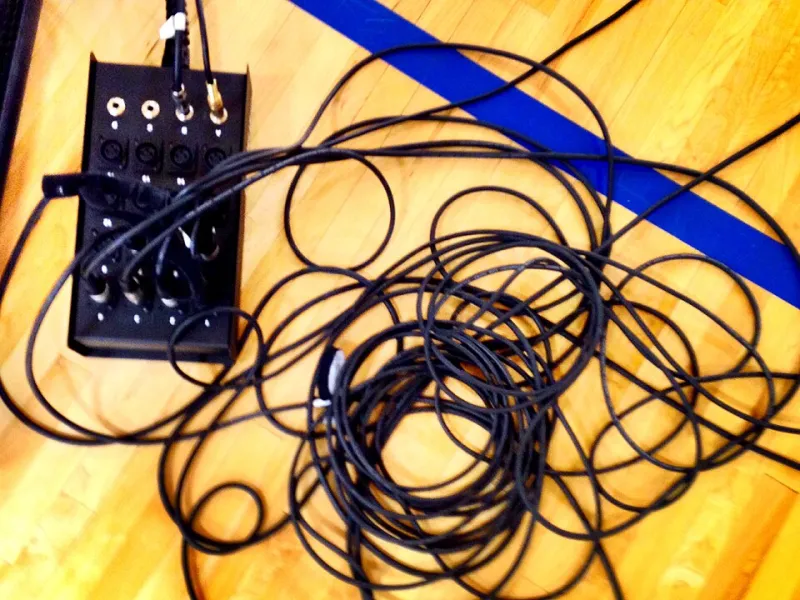
Photo: David Mulder, CC BY-SA 2.0, via Wikimedia Commons
There's a box in every American closet. You know the one — a tangled nest of cables collected across two decades of gadgets, each one saved because 'you never know.' Most of that box is, honestly, garbage. But buried in there are a few connectors that have quietly become the difference between a working setup and a weekend of frustration.
Here's the field guide to sorting the gold from the landfill.
The RS-232 Serial Cable: The Cockroach of Computing
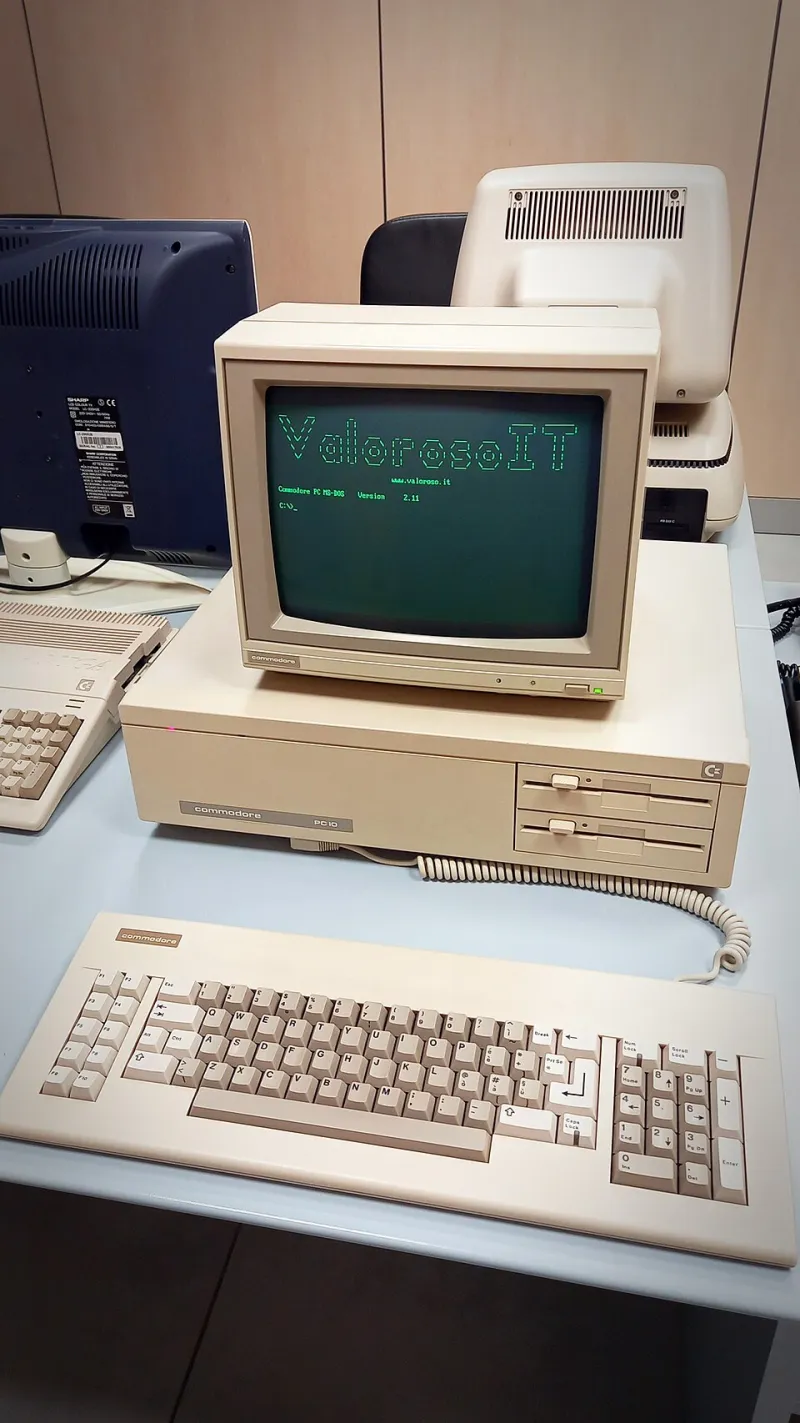
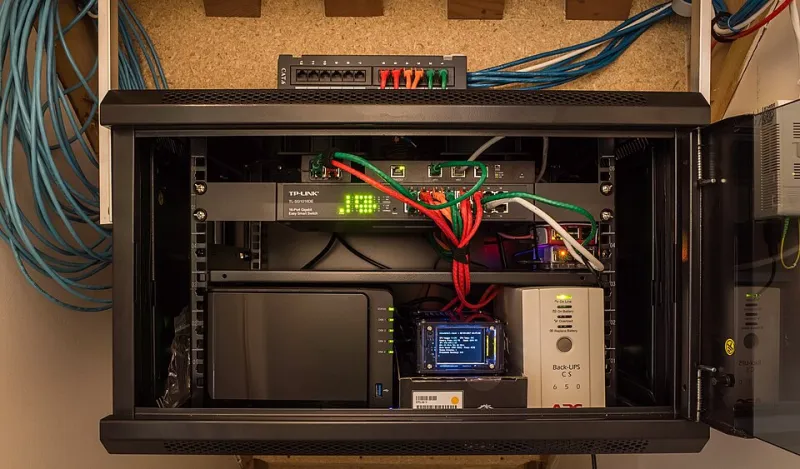
Serial ports were supposed to die in the 1990s. Instead, they've outlived every prediction. Network switches, industrial equipment, HVAC controllers, that weird UPS in your garage — a shocking amount of hardware still speaks RS-232, and the only way in is a serial console cable.
The catch: modern laptops haven't shipped with a serial port since roughly forever. That means your USB-to-serial adapter is the single most important dongle in a power user's toolkit. Buy a FTDI-chipset adapter, not the $4 no-name one with counterfeit chips that fight you on every driver update. The good ones cost $15-20 and last a decade.
If you own an old Cisco console cable (the light blue one, RJ45 on one end), keep it. They're basically free at estate sales and irreplaceable at 2 a.m. when a switch needs rescuing.
FireWire: Dead on Paper, Alive in Drawers
Apple killed FireWire, but a huge archive of American creative work passed through those ports. MiniDV camcorders, early external drives, audio interfaces — if you have family footage on MiniDV tapes, a FireWire-equipped machine or a compatible capture card is the only good way to pull it off in real time.
The second-hand market knows this. Working FireWire PCIe cards and the original Macs that still boot with native ports have become niche collector items. If you see a FireWire 800 card at a thrift store for a few bucks, it's not a bad bet — but skip the sketchy FireWire-to-USB adapters sold on marketplace sites. Most are scams that only work with specific camera modes, if at all.
eSATA: The Port That Lost the Marketing War
Before USB 3.0 showed up, eSATA was how you got full-speed external drives. It never caught on with consumers, which means eSATA drive docks are now dirt cheap — and genuinely useful for anyone who does bare-drive recovery or bulk transfers.
If you routinely pull drives out of old machines to image them, a $25 eSATA dock plus a cheap PCIe card is a legitimate workflow. It won't beat a modern USB-C dock on convenience, but for older SATA drives it just works, no bridging chips mangling the transfer.
The Adapters Worth Buying New
Not everything needs to come from the closet. These are worth fresh purchases:
- USB-to-serial (FTDI chipset) — your console lifeline
- SATA-to-USB adapter with UASP support — the universal drive reader
- IDE-to-SATA or IDE-to-USB — because someone will hand you a 2004 hard drive this year
- A quality multi-port USB-C hub with SD and microSD — the modern equivalent of the old junk drawer
What You Can Finally Throw Away
VGA is on borrowed time but still lingers in projectors and office buildings, so keep one cable. Parallel printer ports, PS/2, composite RCA beyond a single set for legacy capture — let them go. And that barrel of proprietary phone chargers from the flip-phone era? Recycle it. No device you own will ever ask for it again.
The Real Lesson
The box of cables isn't hoarding if it's curated. Keep what interfaces with the past — serial, FireWire, IDE, one good VGA cable — and bin the rest. The power users who never get stuck are the ones whose toolkit quietly spans thirty years of connectors. Yours should too.