Sysadmins Don't Download Anymore — And That Should Worry You
I asked five IT professionals a simple question: what did you download this week?
The responses ranged from a long pause to an actual laugh. A sysadmin at a midsize healthcare company in Ohio finally offered up "a driver, I think." Another said the last real download was an ISO months ago. The consensus was unanimous: they don't download anymore. They sync, they stream, they grant themselves access. The download — that once-sacred ritual of the internet — has quietly gone extinct for people who work closest to the machines.
That's not just trivia. It's a warning.
Access Isn't Ownership
Think about your own digital life. Your music is a Spotify queue. Your movies are a Netflix license. Your documents live in a Google Doc that technically belongs to a company that can suspend your account at 3 a.m. via an algorithm. You don't own any of it — you have a revocable invitation.
The IT folks I talked to see the failure modes up close. One described helping a family after their streaming service yanked an entire purchased movie library due to a licensing shuffle. Another talked about a client locked out of a decade of photos when an account got flagged and suspended. "People confuse 'I can see it' with 'I have it,'" she told me. "Those are completely different legal and technical states."
When I asked why they still download things deliberately — installers, ISOs, archives, local copies of anything that matters — the answers converged on a single theme. Paraphrasing one of them: access is a service someone else can turn off. A file on your own drive doesn't have a terms-of-service agreement.
The Deliberate Download as a Statement
There's something almost countercultural about downloading in 2025. It says: I want this to exist even if the vendor doesn't want it to. Even if the license changes. Even if the servers go dark.
This isn't about piracy — every person I spoke to was emphatic about that. It's about keeping copies of things you legitimately have access to: the software installer for the tool whose vendor just got acquired, the manuals for the appliance the manufacturer stopped supporting, the local copies of family photos that live in someone else's cloud. One sysadmin keeps offline installers for every OS and key app on a shelf in his basement. "When things break," he said, "they break offline."
What the Pros Actually Do
Their habits are refreshingly simple, and worth stealing:
- Download anything you can't re-obtain. If a file exists only behind your login, treat it as fragile.
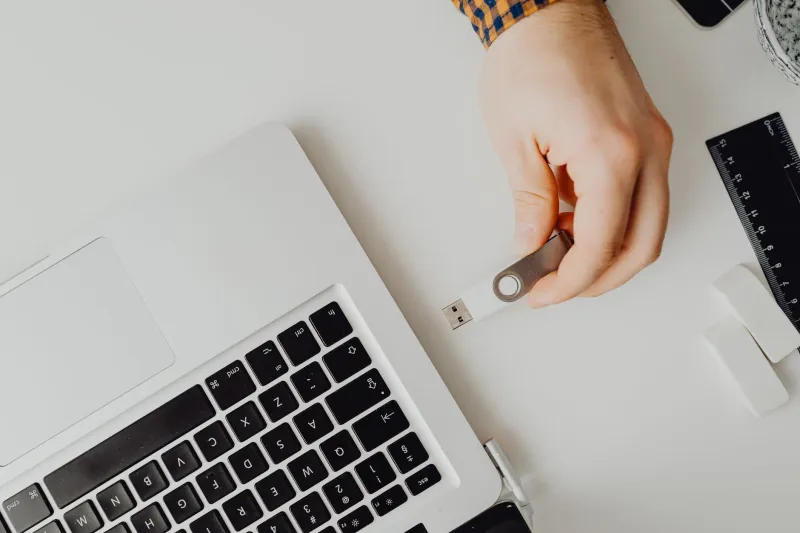
- Keep an offline toolkit. Installers, drivers, and recovery tools on a USB drive, updated a couple times a year. Future-you, staring at a dead laptop with no internet, will be grateful.
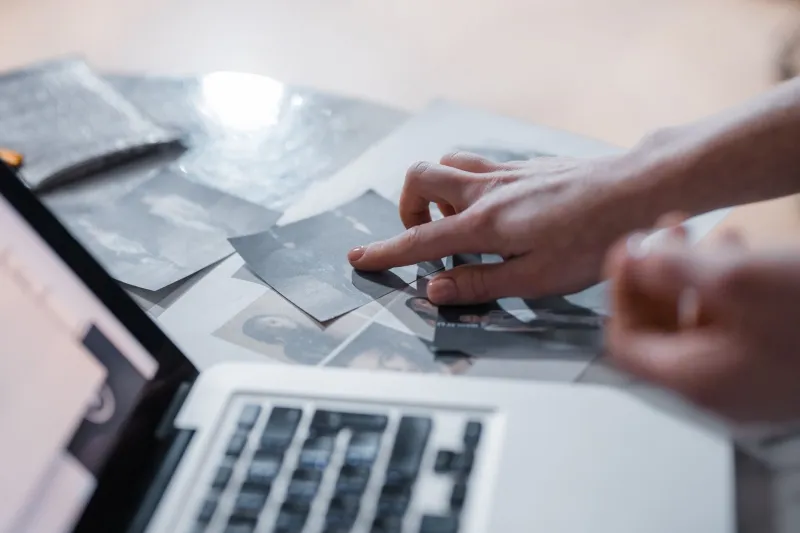
- Export the stuff that matters. Google Takeout, photo library downloads, email archives. Once a year, pull your own data out of every cloud service you use.
- Own the irreplaceable. Nobody streams their wedding video. Some things deserve a real file on a real drive.
The Last Download You'll Ever Need
Downloading is becoming a choice rather than a default — and that's exactly why it's worth doing deliberately. Every deliberate download is a small hedge against a service shutting down, an account getting locked, or a license quietly changing overnight.
The people who run the internet's plumbing don't trust access alone. Neither should you. The next time something you care about exists only as a stream or a sync, do the uncool thing. Hit download. Keep the file.
Ownership isn't nostalgic. It's just sensible.